
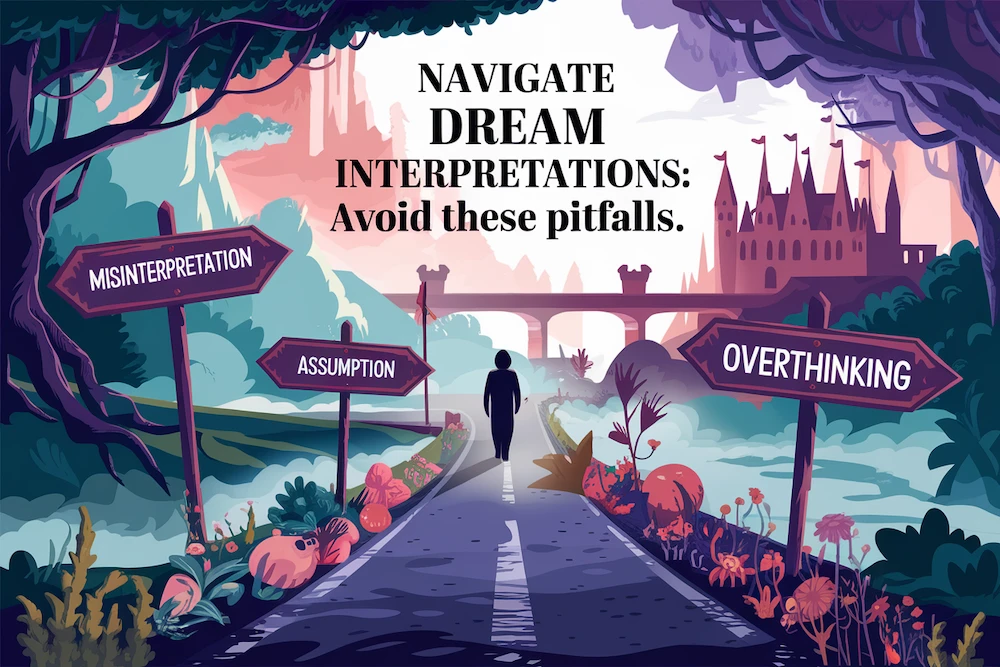
10 Mistakes to Avoid in Dream Interpretations
Dream interpretation offers up a chance to explore your subconscious mind, giving you clues about your emotions, fears and desires. However, learning to interpret your dreams can be both exciting and overwhelming at the same time.
Whether it’s trying to replay your dream in your mind before it slips away, hunting for that missing clue or doubting your intuition, several mistakes can throw off your dream interpretations.
By making some minor tweaks to your sleep schedule, journaling, or learning to spot patterns, you can soon improve your dream interpretations.
Ready to feel more confident in interpreting your dreams clearly and confidently? Then read on.
Table of Contents
1. Overlooking the Impact of Sleep Quality
When life is busy or chaotic, it can be so easy to stay up a little later to enjoy a few more moments of downtime. But when it comes to your dream interpretations, sleep quality can have a significant impact on your ability to remember and visualize your dreams.
With two dogs, boat life and living next to an industrial estate, I can never truly be sure what time I will be woken up in the morning. Yet, the evening is the only time I can guarantee any real peace and quiet.
So if, like me, you struggle to get to bed on time or your sleep is often disturbed, then you may struggle with foggy memories or dull dreams.

Things like stress, what you eat and having an erratic sleep pattern have a knock-on effect. We all know the feeling of pushing through the day, wishing we could have grabbed a few more hours’ sleep.
But overlooking this small habit can have a significant effect on trying to interpret your dreams. You may struggle to remember the details as you fight, trying not to fall back asleep.
If you know you have been building a sleep deficit, then start by getting yourself to bed earlier. If you struggle to get to sleep, then unwind with a book or meditating rather than watching TV till late.
I’m a big fan of using the Bach flower remedy ‘White chestnut’ around bedtime as well. It helps to settle down the racing thoughts. Or writing all the to-do’s down in a notebook so I know I won’t forget them in the morning.
Simply telling yourself you will remember your dreams as you fall asleep can also be quite effective. This primes your subconscious to be more open.
Adopting a mindful and balanced approach to your sleep increases your chances of having more vivid and memorable dreams.

2. Not Keeping a Dream Journal
It can be tempting to simply replay the dream in your head and think that is enough. But when you write down your dream, you aid in the recall process.
The more I write down, the more I remember! Including, sometimes, details I forgot about a previous dream.
A dream journal doesn’t have to be anything fancy, just somewhere to record your thoughts. By jotting down your dreams regularly, you can identify recurring symbols, emotions, and themes that might otherwise slip by unnoticed.
It also boosts your ability to recall dreams and sharpens your dream interpretation skills, giving you more insight into your daily life, emotions and subconscious mind.

To begin your dream journal, place a notebook or digital device by your bed. Write down your dreams as soon as you wake up, when you’re still holding on to the details. Don’t stress about getting everything perfect, just focus on capturing key elements like symbols and emotions.
Consistency is crucial. By journaling daily, you forge a deeper connection with your dreams. This will help you interpret them more accurately over time.
3. Mistaking Literal for Symbolic Meaning
When you dream, the images and stories that unfold often carry more symbolic weight than literal meaning. Your subconscious mind is a master of using pictures or symbols to express deep emotions, unresolved issues, or hidden desires in a way that your waking mind might not immediately grasp.
Take water, for instance. It’s a common symbol in dreams. Calm water might suggest peace or clarity, while turbulent waves could hint at emotional turmoil.

Or how about being naked in public? It’s highly unlikely it is something you need to worry about in your waking life. But you could be worried about a mistake of yours being exposed or having to stand up to talk in front of other people.
If you take these images at face value, you could overlook the emotional insight your subconscious is sharing.
For more information about common themes, see Most Common Dreams and Their Meanings.
Reading dreams too literally can lead to unnecessary stress or confusion. Picture dreaming of a snake. It doesn’t necessarily mean danger is lurking. It might symbolize personal fear or transformation, since snakes often represent change or healing.

The same goes for dreaming about a car crash. It probably doesn’t mean an accident is around the corner. Instead, it could reflect feelings of losing control in your life.
The meaning may not be obvious to begin with, so write down your dream for now and any thoughts around it you may have. Sometimes it can take several days or repeating dreams for the interpretation to become clear.
It also leads into the next few points, that sometimes the symbolic meaning may not make sense to your dream interpretation.
4. Ignoring Personal Context
Symbols often have well-known meanings, such as water being tied to emotions. However, personal experiences, culture and context can change the meaning drastically.
Every dream is personal and it may be filled with symbols that mean something different to you than they do to someone else.
If you have fond memories of the ocean from childhood, dreaming about it could evoke feelings of comfort or nostalgia. On the other hand, if you have had scary encounters with water, that same ocean might represent fear or anxiety for you.

Ignoring these personal ties can lead to interpretations that miss the mark on what your dreams are trying to tell you about your current life.
To bring your personal background into dream interpretation, start by jotting down your dream and pinpoint any parts that stand out. Think about how these symbols connect to your personal history, beliefs or culture. What do they remind you of?
Then, look at your current life. Are there any situations or feelings that link back to these experiences?
Don’t discount your personal stories around dream symbols. If you have fond memories of throwing rocks with your sibling, and you pick up a rock in your dream that reminds you of them, then that is significant.
These are the little details that make your dream interpretations so much more meaningful and accurate. The following mistake is tied closely to this.
5. Over-Relying on Dream Dictionaries
Dream dictionaries are a great place to start if you are new to dream interpretations or just drawing a blank on what a symbol could mean.
But they do have their limitations as they can only offer generic, basic meanings, and they overlook the personal details of your dreams.

What a symbol means can be very different for each person, shaped by their own experiences, cultural background, and feelings. If you rely solely on a dictionary, you will likely miss out on insights that truly matter to your own life journey.
To truly benefit from dream dictionaries, use them as a tool for ideas and not as the final word. Start by checking out what the dictionary says about a symbol. The dream dictionary is there as a guide, not a rulebook. Then take a step back and consider how the symbol connects with you personally.
For example, if a dream dictionary says a bear means courage, consider how this fits with what’s happening in your life right now. Does the bear feel like a protector, a threat, or something familiar in your dream?

Trusting your intuition can help you fine-tune these interpretations, making them more relevant to your own experiences and challenges. The dream dictionary should never overrule your own interpretation.
Balancing outside resources with your own reflections is essential for creating interpretations that mean something to you.
6. Focusing Only on the Positive (or Negative) Aspects
When you think about dream interpretation, it’s easy to get stuck focusing only on the positive or the negative parts. This can lead to a skewed view that misses the whole picture.
It might be that it’s easy to skip over the uncomfortable bits, especially when they provoke feelings like fear, guilt, or sadness. Conversely, some people focus too much on the negative, seeing distressing images as signs of impending doom.
These tendencies can warp your dream interpretation, either by ignoring important insights or by creating unnecessary anxiety. Dreams often spotlight unresolved issues or challenges that, though difficult, offer valuable clues about where you might need to grow or change.

To interpret dreams more fairly, start by taking an objective approach. Jot down both the good and bad elements without passing judgment, and note any strong emotions you felt during the dream.
By acknowledging both sides, you can gain a clearer understanding of the dream’s message and see more accurately how it reflects your inner world.
This balanced approach helps dreams serve as honest reflections of your current state and potential areas for self-improvement.
7. Disregarding Emotions in the Dream
When you dream, the emotions you experience can be powerful clues, shedding light on your subconscious thoughts and feelings. These could they involve fear, happiness, sadness, or excitement. Often they highlight feelings you might not fully acknowledge when you are awake.
For instance, feeling anxious in a dream could signal a hidden stress or worry, even if the dream doesn’t seem connected to your day-to-day life. Ignoring these feelings might lead you to overlook important insights about your inner self, as the emotions in dreams often bring their meanings to life.

To get the most out of dream interpretation, it’s helpful to pay close attention to your emotions. After waking, jot down what happened in your dream, but also make sure to note how you felt at different points.
Ask yourself if these feelings appear elsewhere in your life. Notice if certain emotions, like fear, keep showing up in your dreams. This might point to a deeper anxiety that needs your attention.
By linking your dream emotions to real-life situations or current concerns, you can better understand what your subconscious is dealing with. This leads to a more personalized and meaningful interpretation, helping you address any unspoken or unresolved feelings.
8. Overanalyzing the Details
If you’ve ever found yourself tangled in the tiny details of a dream, trying to make sense of every element, know that you’re not alone.

It’s easy to get caught up in thinking every little thing carries deep meaning. But often, dreams toss in lots of minor, seemingly trivial details that can actually steer you away from the main message.
Zeroing in on specifics like the color of a dress or where exactly something happens might cause you to miss the bigger themes or emotions at play. While some details can be important, overanalyzing each fragment tends to add confusion and can keep you from grasping the overall picture.
Instead, it’s more beneficial to focus on the key themes, emotions, and symbols that pop up in your dreams. By honing in on the main elements that seem to stand out, you can gain clearer insights into what your dream is trying to tell you.
Say, for example, your dream regularly features a bird. It’s more helpful to think about what the bird might represent, like freedom or communication, rather than whether it was sitting in a tree or soaring in the sky.

By concentrating on major symbols and the emotions they stir, you can pull out valuable insights that connect to your life and sidestep the distraction of minor details. This approach keeps your dream interpretation straightforward and meaningful.
9. Ignoring Recurring Themes and Patterns
In dream interpretation, noticing patterns in your dreams can reveal what your subconscious is trying to highlight. When certain symbols, people, or situations keep showing up, they might point to unresolved issues or areas in life that need your attention.
For example, if you frequently dream about a childhood home, it could suggest lingering emotions tied to your past or a call for healing.
Ignoring these recurring themes may keep you from recognizing where change is needed, holding back personal growth and self-awareness.

Keep track of common symbols and scenarios that pop up, and think about how they relate to your daily life.
For instance, dreaming about being chased could mean you are avoiding something in your life. Identifying these recurring dreams can show you where your subconscious wants you to focus, whether it’s dealing with past trauma, improving self-awareness, or welcoming a change.
10. Failing to Trust Your Intuition
When it comes to dream interpretation, trusting your intuition is key, yet many people tend to ignore this powerful tool. Instead, they often lean heavily on external aids like dream dictionaries or common symbols.
While these resources offer a starting point, they can’t fully grasp the subtleties of your personal experiences and feelings. Your intuition is finely tuned to your own inner world.
By relying on your gut instincts to interpret dreams, you access a deeper understanding that’s much more aligned with your personal path. These offer insights far richer than any generic reading can provide.

Trusting your intuition involves moving beyond what a symbol or theme “should” mean. Take, for instance, a snake in a dream. It might commonly signify change or danger, but if your intuition suggests it represents healing or protection, then it’s crucial to heed that feeling.
Your subconscious is communicating through the dream, and by listening to your intuitive responses, you can uncover its true message. Your intuition often feels like a gut feeling or an inner knowing.
I always think of my intuition as the first thought that comes to mind before the logical mind takes over. It’s the quiet thought that pops up but is often then drowned out by everything else.
It takes practice to hear and trust your intuition. Write down all your thoughts and star any that came to you first or just seem to feel different from the others.
If you struggle to feel your intuition, consider exercises like these ones offered by Manifest Methods.

FAQs about Dream Interpretation
Check out these FAQs for further help on your dream interpretations:
Can my dreams help me understand my current emotional state or challenges?
Yes! Dreams can offer valuable clues about your emotional world. They act as a window into your subconscious, often revealing feelings or situations you might not consciously recognize.
Let’s say you’re feeling anxious but haven’t admitted it to yourself yet. You might dream about being chased, which could be your mind’s way of pointing out that stress. Dreams might also dig up unresolved fears or desires, giving you insight into emotions you’ve been steering clear of.
By focusing on the feelings your dreams evoke, you can uncover meaningful insights into your emotional state and tackle the issues that might be lurking beneath the surface in your daily life. Dream interpretation is a helpful tool in making sense of these hidden parts of your mind.

What do common dream symbols like snakes, water, and flying really mean?
When you are exploring dream interpretation, remember that meanings can shift depending on your own experiences and emotions. While some symbols are pretty commonly understood, your personal context matters.
Take snakes, for instance—they are often linked to transformation, fear, or healing, which might mirror something you’re facing in real life. Water is another big one; it often mirrors emotions. Calm water might suggest peace or clarity, whereas rough waters could point to emotional stress.
If you’ve ever dreamed of flying, it might be your mind’s way of expressing a craving for freedom or escape. It could also signify a new outlook or a path towards personal growth.
The trick is to connect these symbols to your life, keeping in mind that your feelings and experiences give them their true meaning.

How can I interpret recurring dreams and patterns?
Recurring dreams can signal emotions, fears, or challenges you haven’t fully addressed yet. To make sense of these dreams, start by spotting the key themes and symbols that appear time and again.
Consider what these elements might mean for you right now. Are they tied to struggles you’re facing, past events you haven’t come to terms with, or feelings you haven’t expressed?
Recognizing these patterns helps you focus on areas in your life that might need some care or healing.

What’s the best way to improve dream recall and remember more details?
To get better at remembering your dreams, keep a dream journal by your bedside and write down everything you recall as soon as you wake up. The more you jot down, the better your brain gets at holding onto those dreams.
Before going to sleep, remind yourself that you want to remember your dreams. If you wake up in the middle of the night, try staying still for a moment and focus on your dream before drifting off again.
You can try relaxation techniques like meditation or deep breathing before bed to connect with your subconscious and improve dream recall. Dream interpretation becomes easier when you actively make an effort to recall and record your dreams.
For more help see Dream Recall Made Easy: How to Remember Your Dreams Tonight.

Can dream dictionaries be helpful, or are they too generalized?
Dream dictionaries can serve as a helpful starting point in dream interpretation, offering a basic understanding of common symbols. Yet, they can often fall short, being too generic.
The meaning of symbols like a snake or a house can change significantly based on your personal experiences and cultural background.
While these dictionaries provide useful insights, you should combine them with personal reflection. By considering what’s going on in your life and how you feel, you can interpret these symbols in a way that truly connects with your journey.

Unlocking the Full Potential of Your Dreams
Understanding your dreams can be a fascinating adventure. It’s a personal journey that calls for patience, intuition, and the courage to explore all facets of your inner world, even the less comfortable ones.
Pay attention to patterns that pop up repeatedly, tune into the emotions you feel in your dreams, and let yourself interpret symbols in a way that fits with your own life.
With regular practice and an open mind, you’ll soon find that your dreams are a treasure trove of insights that can guide you toward personal growth and self-awareness.
Keep reflecting, keep writing about them, and most importantly, keep tapping into the full potential of your dreams!
Need more help with how to dream journal? We have you covered at Dream Journals Explained: A Simple Tool for Self-Discovery If you are ready to tackle your first dream interpretations then go to Easy Dream Interpretation: A Beginner’s Guide.
Please share this article by Pinning your favorite image below


